

Your postpartum mental health toolkit
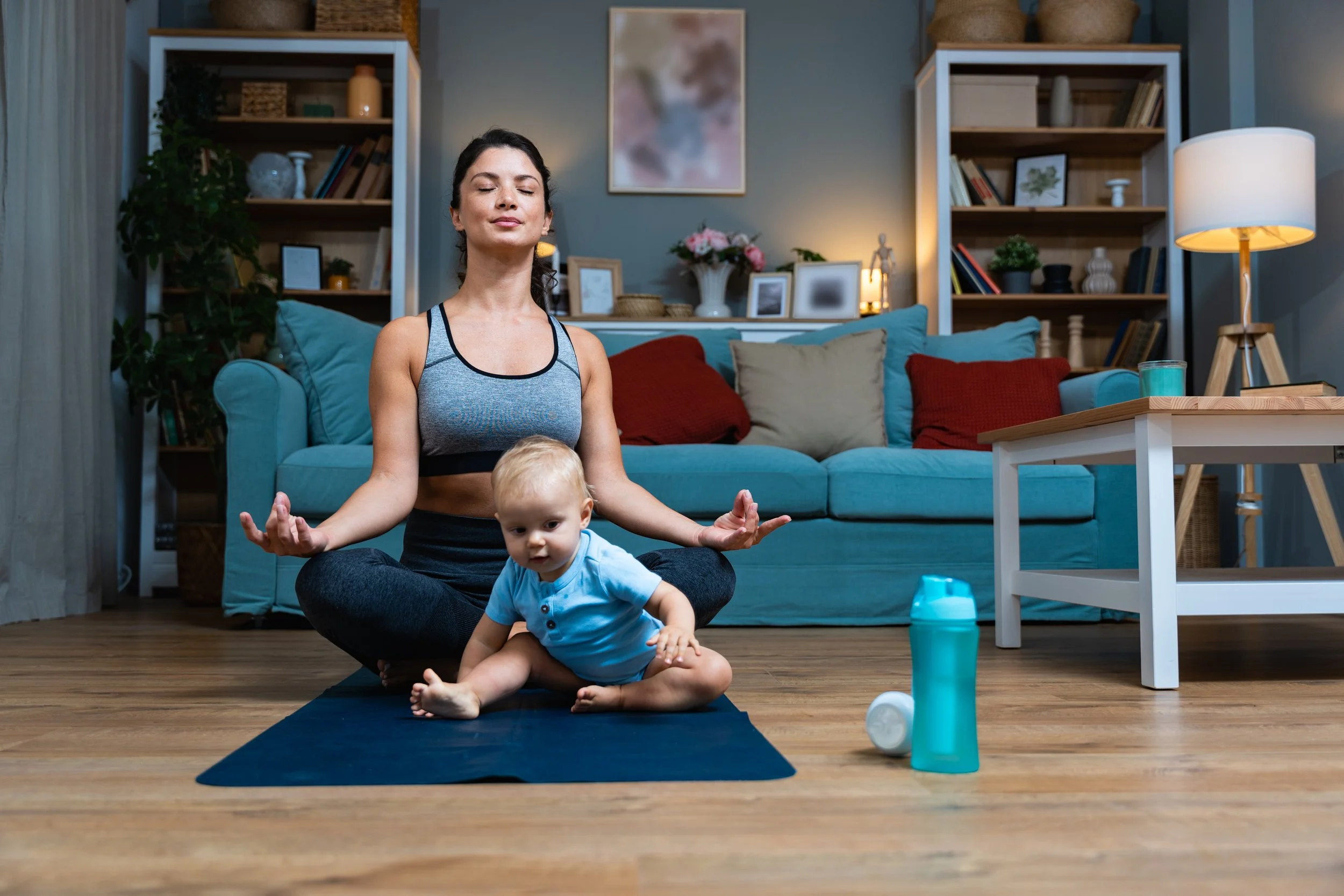
When I was preparing for my first child, I spent months creating the perfect registry, decorating his nursery, picking out cute outfits, and researching the best gear. The one thing I spent no time preparing for was my mental health and emotional well-being. The early days of motherhood hit me like a freight train, and I found myself with zero coping skills for this huge transition. I was in total survival mode for the first 3 months.
The postpartum period brings immense joy, but it can also bring stress, anxiety, overwhelm, loneliness, and self-doubt. Many mothers experience challenges with postpartum mental health, including postpartum anxiety and postpartum depression, during the transition to motherhood. Just as you gather supplies to care for your baby, it can be helpful to create a toolkit to care for yourself.
Taking care of yourself is not selfish— let’s say it louder for those in the back!! Taking care of yourself is an important part of taking care of your family.
Why Postpartum Mental Health Matters
The weeks and months after birth involve significant changes:
Hormonal shifts
Physical recovery
Sleep deprivation
Relationship adjustments
Identity changes
New responsibilities
Many parents are surprised by how emotionally demanding this season can be. Having tools in place can make it easier to navigate difficult moments and recognize when additional support may be needed.
Tool #1: Rest
Many new parents feel pressure to be productive during every moment the baby is sleeping. Rest is not something you have to earn.
Your postpartum toolkit can include permission to:
Sleep when possible
Lower expectations
Say no to unnecessary commitments
Focus on recovery
You may hear advice to “sleep when the baby sleeps!” This is something many new moms struggle with, especially if your little one takes short naps or contact naps. Rest does not always mean sleep. Laying on the couch with a show, sitting outside in the sun, or taking a quick nap can all feel restorative in those early days.
Tool #2: Community
One of the most important protective factors for postpartum mental health is connection.
Consider:
Who can help with practical tasks?
Who can provide emotional support?
Who can watch the baby while you rest?
Who can you text when you're having a hard day?
Many parents hesitate to ask for help, because being vulnerable is hard!! But support is a normal and necessary part of adjusting to parenthood. If this feels sticky, ask yourself - would I show up for my best friend in her moment of need?
Tool #3: Self Care
When stress is high, the nervous system can become stuck in a state of survival mode. An elevated nervous system often looks like feeling "wired but tired." You may desperately want to rest but feel unable to relax. You may find yourself checking on your baby repeatedly, worrying about things that haven't happened, or feeling guilty when you take time for yourself. It may feel like you are surviving motherhood rather than enjoying it.
During the postpartum period, simple practices can help bring your body back toward a sense of safety:
Taking a short walk outside
Deep breathing exercises
Gentle stretching
Listening to calming music
Spending a few minutes in the sunshine
Taking a shower without rushing
These strategies won't eliminate stress, but they can help reduce its intensity. Taking time to recharge helps you show up with more patience, energy, and presence for your family.
Tool #4: Professional Support
Professional support can help. Talk therapy, support groups, and/or medication can all help you feel more like yourself during the postpartum period.
If you are experiencing:
Persistent sadness
Excessive anxiety
Overwhelm
Intrusive thoughts
Feelings of hopelessness
Difficulty bonding with your baby
Distress that interferes with daily life
Therapy provides a space to process your experience, strengthen coping skills, and receive support without judgment. It is often considered the “first line of defense” in treating postpartum anxiety and depression. Even if you are not experiencing anxiety or depression, therapy can help process the transition to parenthood, and can prevent postpartum depression and anxiety from arising.
Building Your Toolkit Before You Need It
One of the best times to build a postpartum mental health toolkit is before you reach a breaking point.
Take a few minutes to ask yourself:
Who are my support people?
What activities help me feel grounded?
How will I know when I need help?
Who can I contact if I'm struggling?
You don't need to have all the answers. You simply need a plan.
Moving Forward with Confidence
Postpartum mental health is not about being happy all the time. It is about having the support, resources, and self-awareness to navigate both the beautiful and challenging moments of early parenthood.
By building a toolkit that includes support, rest, self care, and professional resources, you create a foundation that can help you weather difficult days and enjoy the meaningful moments along the way.
You deserve the same care and attention that you so freely give to your baby.
You deserve support from a therapist who truly understands what you are going through. Click here to schedule a free 15 minute intro call today - I’m here for you when you’re ready.